Project Story · Strategy & Growth
Starting out in the recycling industry with a tight campaign budget calls for an unconventional approach to marketing. Knowing that changing public habits was the biggest hurdle, Langgi built a go-to-market (GTM) strategy focused on making things easy at the most basic level: the household kitchen.
Housewives became the main target for Langgi's early penetration. Internal research pointed to more than 128,000 liters of household used cooking oil going to waste every period. While the bigger competitors were busy fighting over the restaurant and industrial markets, Langgi saw a wide-open gap in the household segment that nobody had properly tapped yet.
Social media obviously played a role as an education channel, but building initial trust called for something more direct. Housewives responded far better to communication that showed up personally in their own neighborhood.
That's why Langgi built an Agent system, where each agent acted as both educator and collector of used cooking oil. This wasn't just about reaching individuals. Agents worked with local communities and neighborhood associations directly, answering people's doubts, explaining the environmental benefits, and giving a firm commitment on regular pickup schedules.
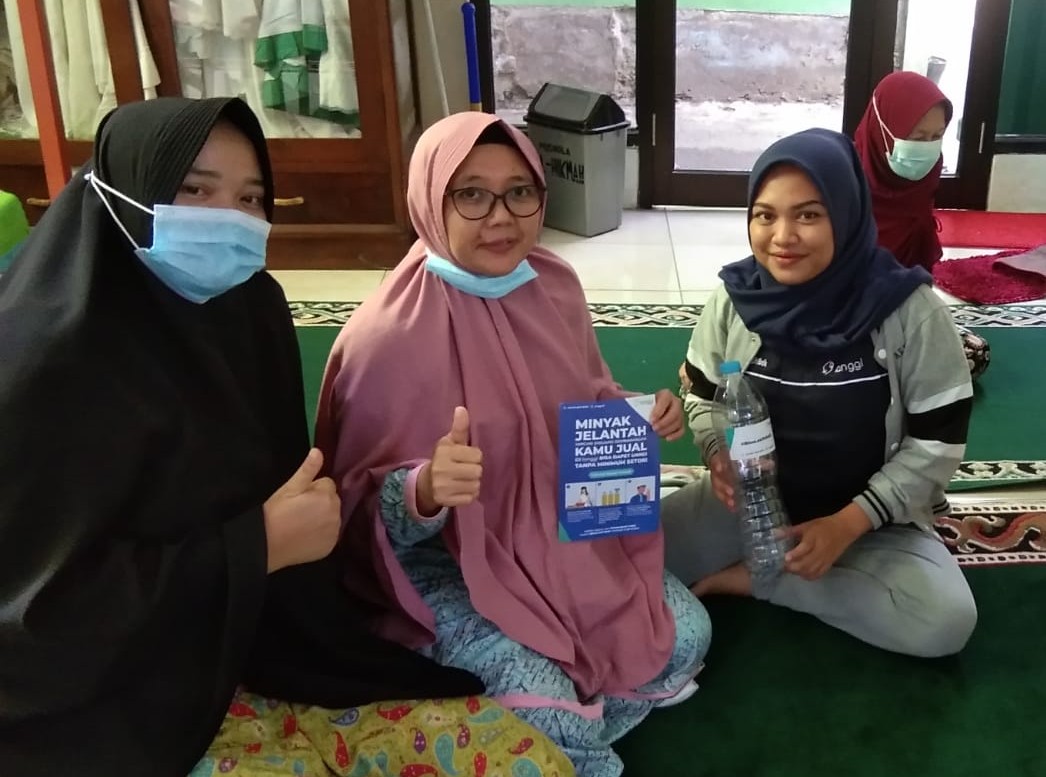
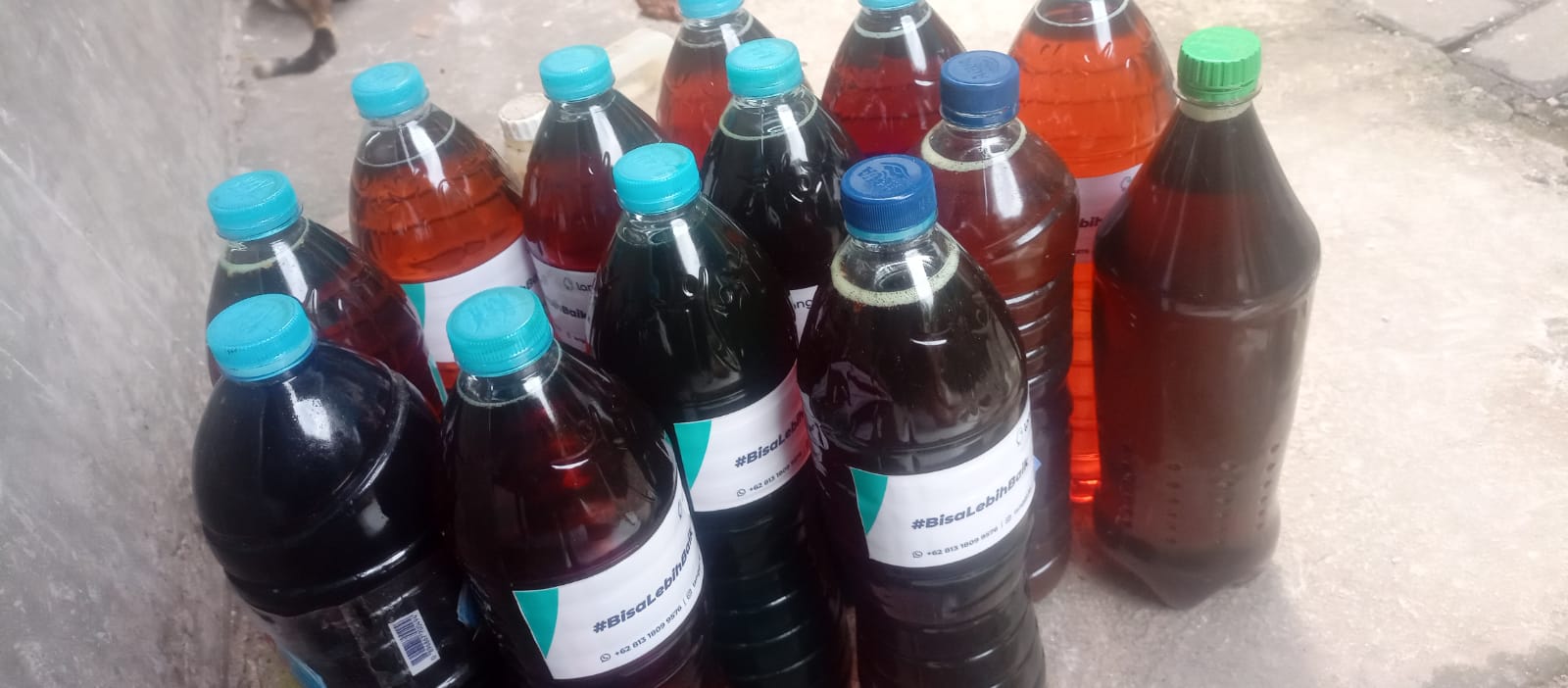
The next challenge was making the collection process simple enough that residents wouldn't feel burdened by it. Langgi built a Minimum Viable Product (MVP) using modified used mineral water bottles fitted with a custom funnel cap.
When an agent came for pickup, residents simply swapped their filled bottle for a fresh empty one. For households collecting more than 10 liters, Langgi provided a dedicated jerry can instead.
To keep residents consistent, Langgi added a simple gamification layer. Regular oil collection got rewarded with everyday household goods, like laundry soap or basic staples. That small nudge turned out to be enough to shift an eco-friendly action into a habit that stuck.
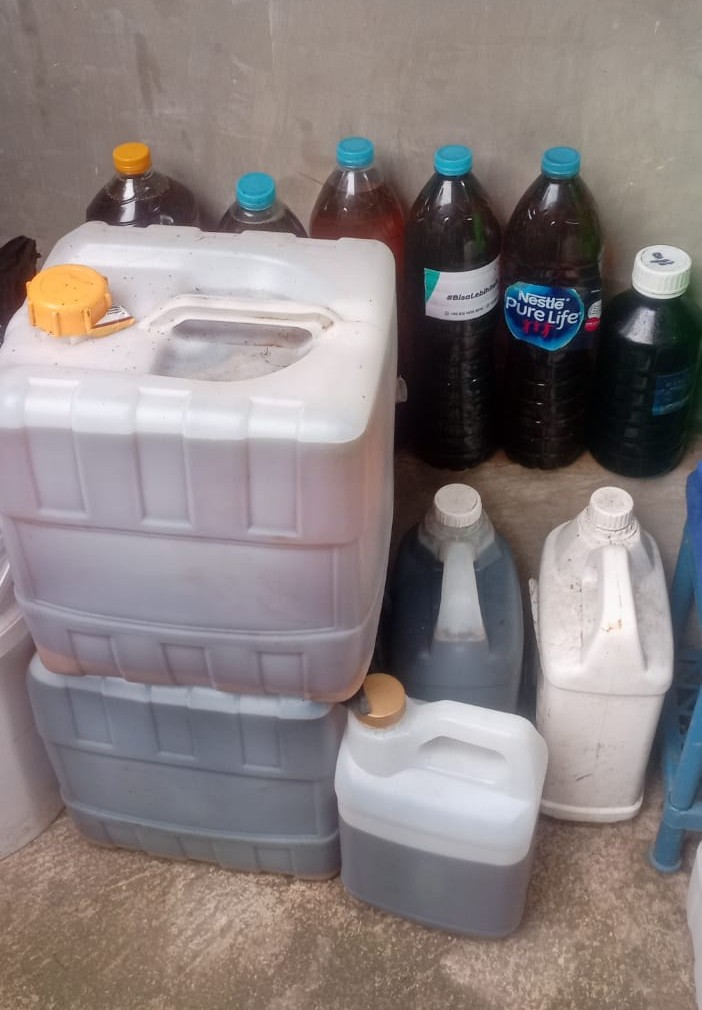
This focused penetration strategy paid off from the early phase. Within the first quarter, Langgi collected up to 300 liters of used cooking oil per month. From 40 initial users in the first month, Langgi held a collection retention and consistency rate above 70 percent.
That field validation opened the door to national-level growth. Langgi was selected for the Gerakan Nasional 1000 Startup Digital program by Kominfo in 2022, and went on to take part in an investor speed dating session hosted by IKEA.
Langgi's path shows that a successful go-to-market strategy doesn't always need a big budget. It needs a sharp read on user behavior, a solution that genuinely makes things easier, and consistent execution on the ground.
Read Next
RS Ubaya's Visual Identity →