
Independent Analysis · Part 2 of 2
Caring for old customers isn't just good manners. It's a cost strategy. How Shell engineered retention to cut its customer acquisition cost.
Many brands get stuck in a cycle of burning big budgets to bring in new customers. Yet marketing research consistently shows that acquiring a new customer (CAC) can cost 5 to 25 times more than retaining an existing one.
Shell Indonesia understood this well. After successfully breaking into the market in its early phase by raising service standards, Shell shifted its main focus to locking in customer loyalty. Here's a breakdown of how Shell managed retention in a way that directly impacted its business efficiency.
Shell's retention strategy started with something deeply relevant to daily life: fuel consumption. Through its Shell Go+ membership program, Shell built a recurring transaction loop that benefited both sides.
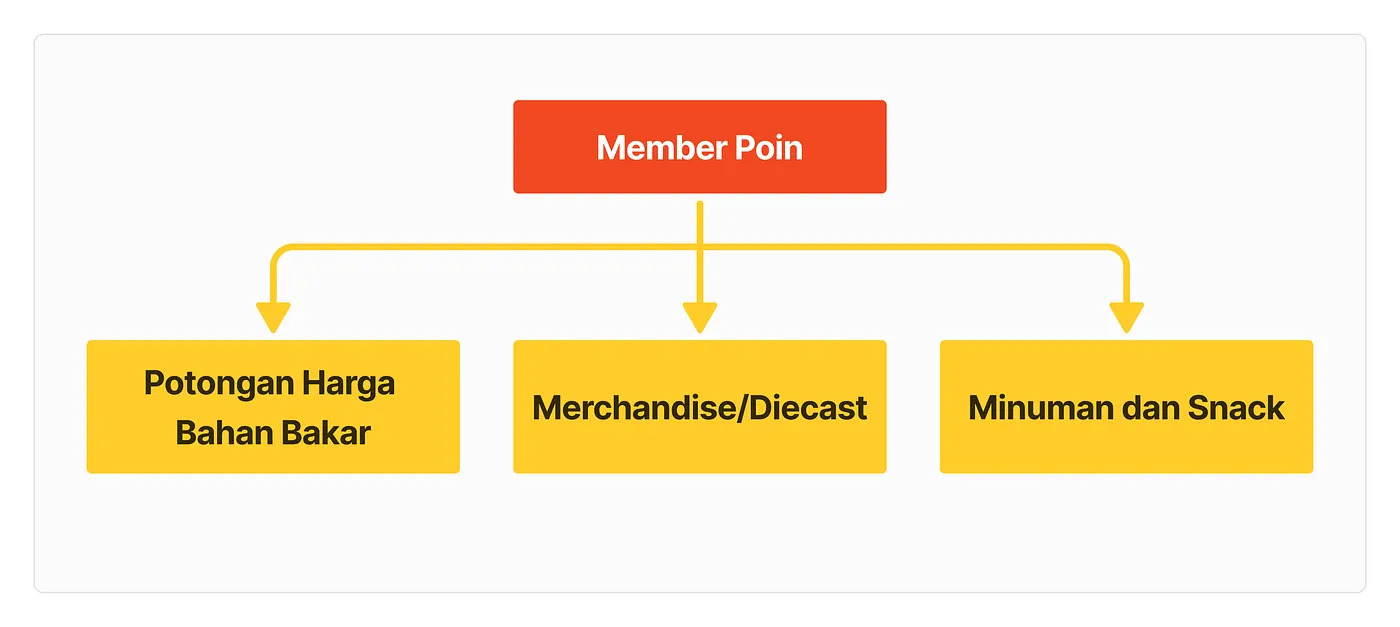
In the early stages of the program, Shell kept point redemption focused exclusively on fuel discounts. That kept customers' attention locked on one clear goal: collect points to save on their next fill-up. Once the member base grew, Shell expanded redemption to food & beverage at Deli2Go and to vehicle lubricants.
Retention isn't only built on logical transactions. Emotional attachment matters too. Shell had long built its image in the automotive world through involvement in global autosport events.

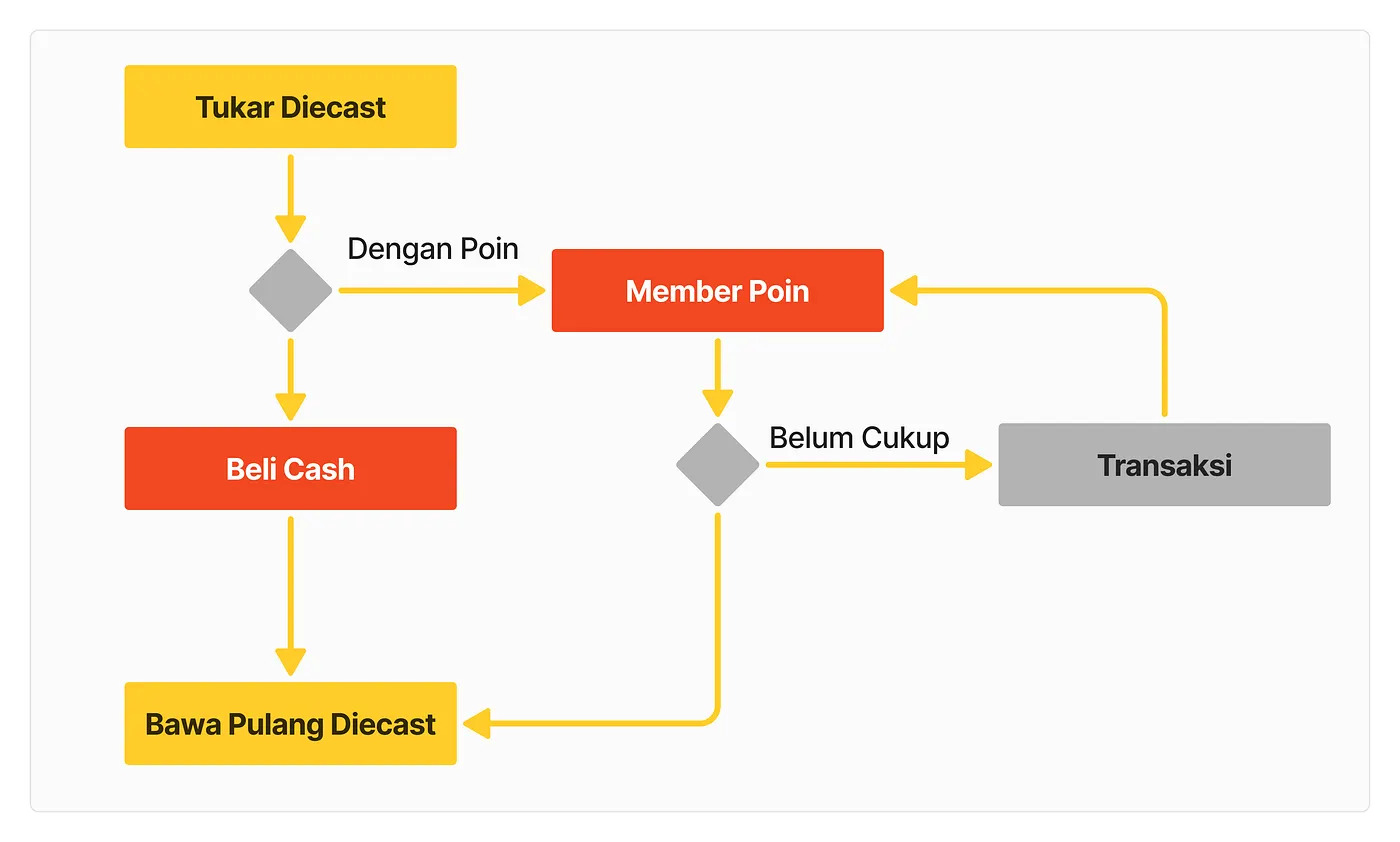
That image sparked curiosity among car enthusiasts, who wanted to test Shell's product performance on their own vehicles. To deepen that bond, Shell periodically released limited merchandise, like die-cast car and motorcycle collectibles.
These limited-stock collections created a genuine scarcity effect. On top of that, members could redeem the merchandise at a discount using accumulated points, an even stronger pull to keep fueling up at Shell just to complete the collection.
Shell expanded what retention could mean by offering peace of mind beyond the gas station. Through a partnership with Allianz Partners, Shell Go+ members gained benefits like personal accident insurance and free 24-hour towing. Shell wasn't just positioning itself as a fuel seller anymore. It became a partner that showed up during emergencies.
Separately, Shell moved into the used-car market by partnering with Mobil88 in 2017. Every used car purchased at Mobil88 came with a year of Shell maintenance vouchers, a move that helped reshape public perception of used-car quality, while nudging new owners to stick with Shell oil and maintenance from day one.
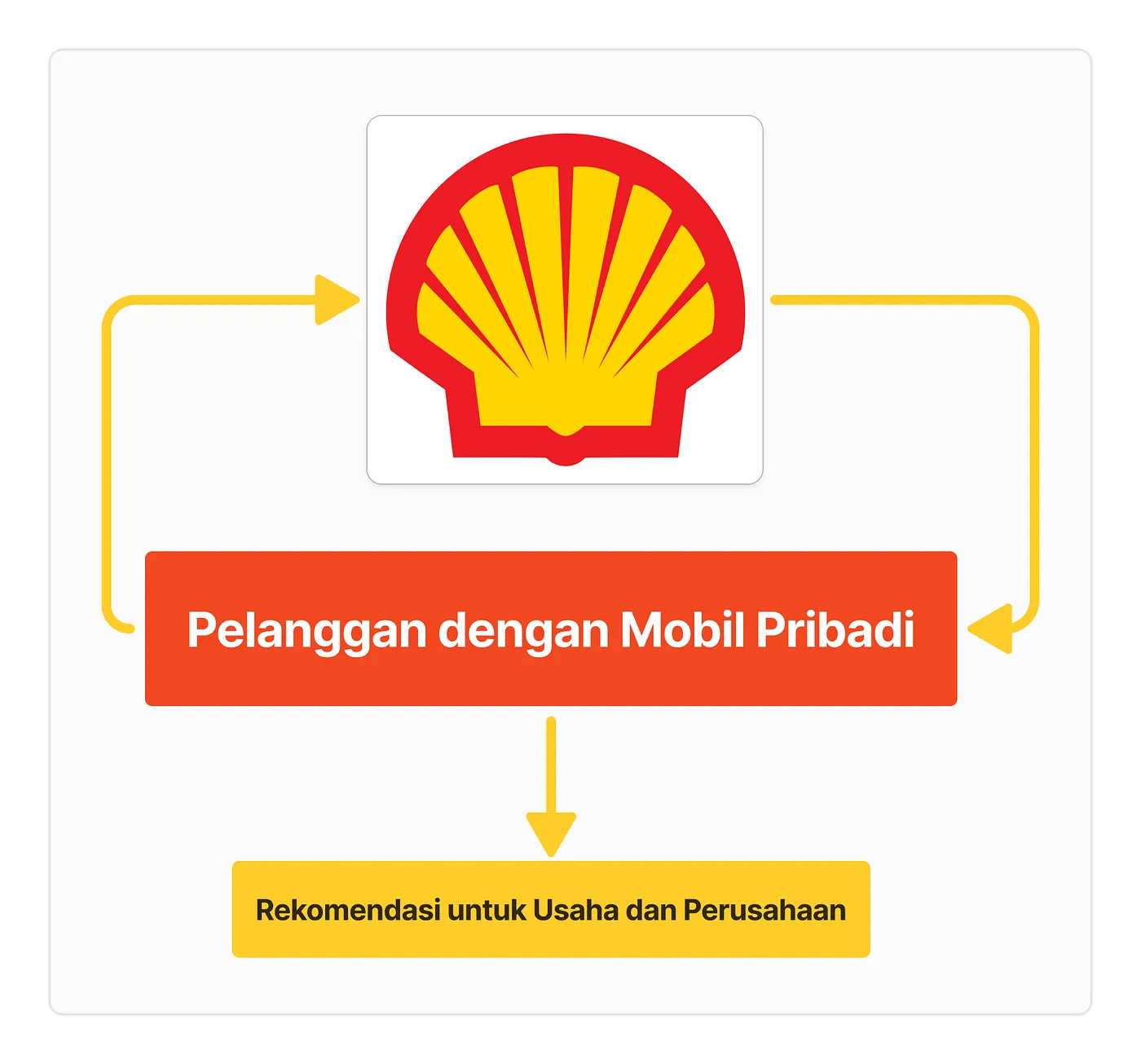
Satisfied retail customers tend to carry that trust into their professional lives. Shell capitalized on this by introducing the Shell Fleet Card for commercial and corporate segments.

Through an integrated digital fuel-logging system, the Shell Fleet Card was shown to cut potential fuel-budget misuse by up to 80 percent, based on a survey of Shell's fleet customers. A positive individual-level experience was successfully converted into long-term corporate contracts.
Why does this whole retention strategy matter so much?
In the end, Shell proved that sustainable business growth isn't only about how much budget gets burned chasing new customers. By consistently nurturing and managing relationships with existing ones, Shell built a growth engine that is efficient, profitable, and hard for competitors to match.
Read Next
Back to Home →