Independent Analysis · Part 1 of 2
How Shell read a fuel market that looked completely locked down, and out-served the incumbent instead of fighting on price.
Mention the name Shell, and most people think of one of the world's energy giants, standing since 1907. In Indonesia, Shell opened its first gas station in 2005 in Lippo Karawaci, Tangerang, bringing a lineup of commercial fuel products like Shell Super, Shell V-Power, and its Diesel variants.
But entering the Indonesian market was never going to be easy. In its early days, Shell went head-to-head with a dominant incumbent player that held every advantage: full government backing, a branch network spread across the country, more affordable pricing for certain segments, and decades as the only real choice consumers had.
For most Indonesian consumers, price and accessibility are the deciding factors. So how did Shell manage to break into a market that looked completely locked down?
Conventional wisdom says the most important thing is to just start, without overplanning. That's not entirely wrong, but solid research is what makes every execution step efficient. Before launching its major campaign, Shell read the market by looking for the weak points competitors had been ignoring.
At the time, drivers regularly ran into the same frustrations at ordinary gas stations:
While competitors let these pain points persist, Shell saw a golden opportunity. Rather than fight a price war, they took a brand position built around quality, comfort, and a sense of safety.
Shell redesigned the Indonesian refueling experience around a handful of key differentiators:

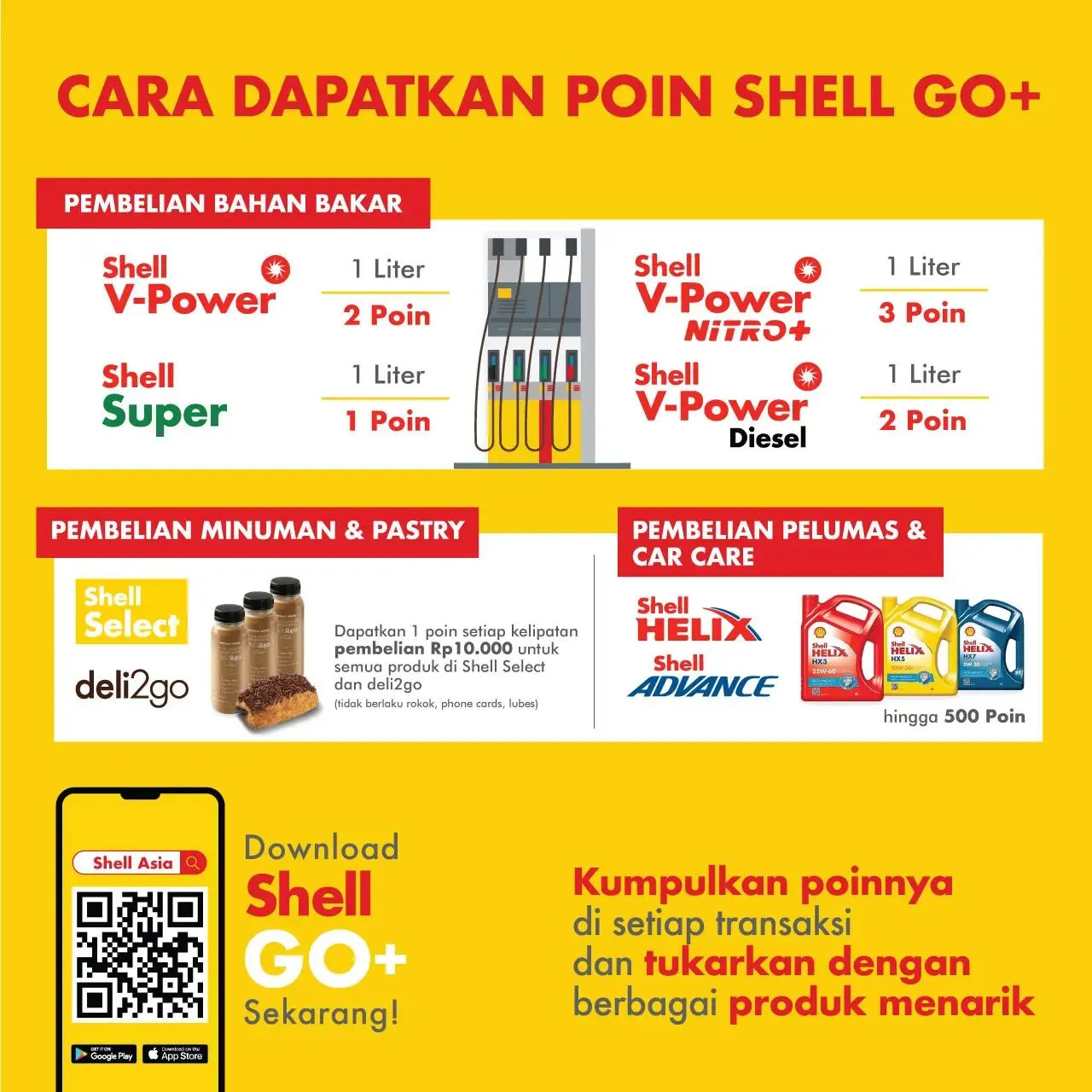
By keeping quality control tightly within official stations, with no informal resale channels involved, Shell consistently protected its position as a trustworthy, premium brand.
Ultimately, Shell's strategy offers a key lesson in marketing: when a brand identifies a genuine gap in a competitor's weaknesses and answers it with consistently good service, price stops being the only thing that decides a purchase. Shell built a loyal niche market, drew in new customers, and took excellent care of the ones it already had.